
That Little Light Doesn't Have to Be a Big Mystery
Few things are more unsettling than glancing at your dashboard and seeing the check engine light staring back at you. For many drivers in Hollywood, West Park, and the surrounding South Florida area, that amber glow immediately triggers worry about expensive repairs or a failing engine. The good news is that the check engine light does not automatically mean something catastrophic is happening. Modern vehicles monitor dozens of systems simultaneously, and the warning can appear for reasons as minor as a loose gas cap or as significant as an emissions or fuel system issue. This guide walks you through what the light is actually telling you, how to interpret it, and what steps to take so you can get back on the road with confidence.
Why Did Your Check Engine Light Come On in the First Place?
Your vehicle's onboard diagnostic system, commonly called OBD-II, continuously monitors sensors throughout the engine, transmission, exhaust, and emissions systems. When a sensor reading falls outside the expected range, the system logs a trouble code and triggers the engine warning light. The most common causes include a loose or faulty gas cap, a failing oxygen sensor, a worn spark plug or ignition coil, a malfunctioning catalytic converter, a faulty mass airflow sensor, or an evaporative emissions leak. In South Florida's heat and humidity, temperature-related stress on sensors and rubber components can also play a role. The point is that the list of potential triggers is long, which is exactly why a professional diagnostic test is the only reliable way to know what is actually going on.
Solid Check Engine Light vs. Flashing Check Engine Light: Know the Difference
Not all check engine light situations carry the same urgency, and understanding the difference between a solid light and a flashing light can help you make a smarter decision in the moment. A solid, steady check engine light generally means the vehicle's computer has detected a problem that needs attention soon, but it is not necessarily an emergency. You can typically drive to a shop for a check engine light diagnosis without causing immediate additional damage, though you should not put it off for weeks. A flashing or blinking check engine light is a different story. This usually signals an active engine misfire, meaning unburned fuel is entering the exhaust system. Continuing to drive with a flashing light can damage the catalytic converter, which is a costly repair. If your check engine light is flashing, the safest course of action is to reduce your speed, avoid heavy acceleration, and have the vehicle inspected as soon as possible.
Can You Keep Driving, and Will the Light Turn Off on Its Own?
Whether you can safely continue driving depends entirely on what is causing the light. If the light is solid and the car is running normally with no rough idling, shaking, unusual smells, or noticeable loss of power, you can usually drive a short distance to get it checked. However, ignoring a steady check engine light for an extended period is never a good idea, because a small problem left unaddressed can develop into a larger and more expensive one. As for the light turning off on its own, it can happen. If the issue was intermittent, such as a brief sensor glitch or a gas cap that was not fully tightened, the system may clear the code after a few drive cycles. But if the underlying problem persists, the light will come back on. A light that keeps returning is your vehicle telling you that something genuinely needs attention.
Reading a Trouble Code Is Not the Same as Diagnosing the Problem
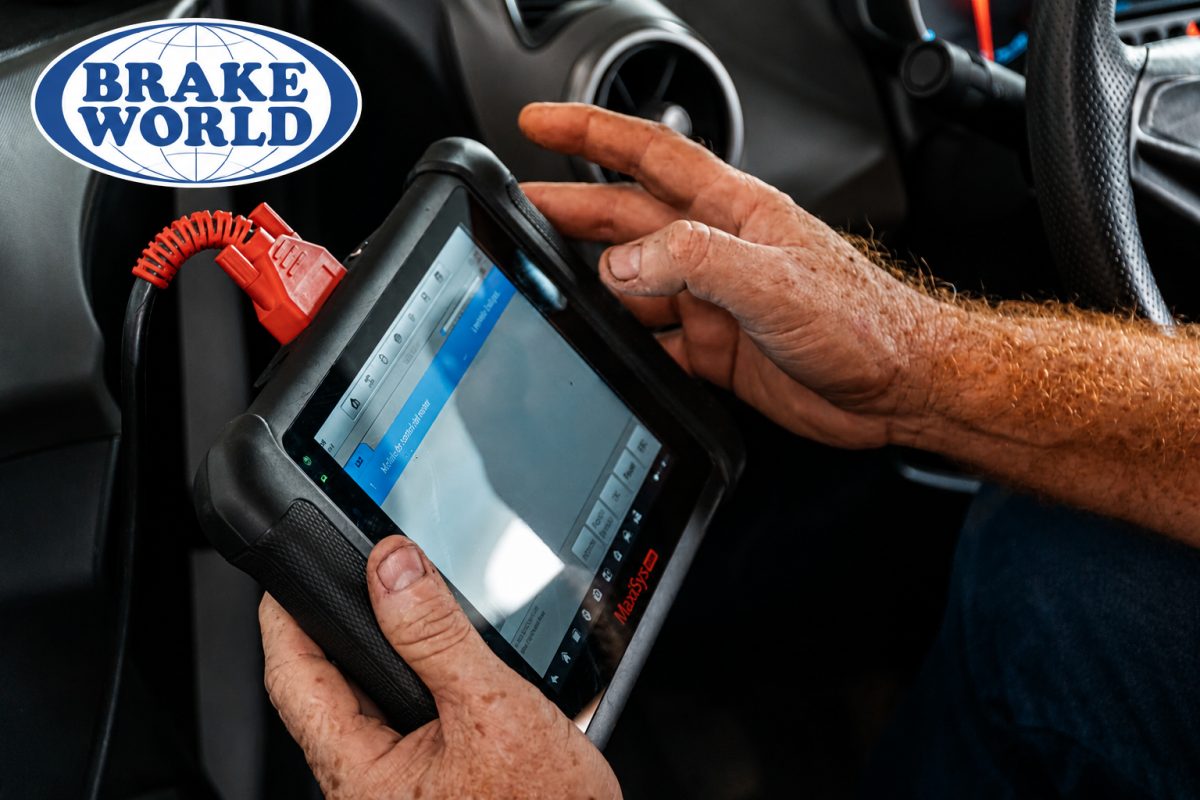
Many auto parts stores offer free code reading, and while that can give you a starting point, it is important to understand what a trouble code actually tells you. A code identifies the system or sensor where the vehicle's computer detected an abnormal reading. It does not tell you why that reading occurred or what component has actually failed. For example, a code pointing to an oxygen sensor could mean the sensor itself is bad, or it could mean a vacuum leak, a fuel delivery issue, or an exhaust problem is causing the sensor to read incorrectly. Replacing the sensor without further testing might not solve anything. Professional computer diagnostics go beyond pulling a code. A trained technician uses the code as a starting point and then performs additional tests to pinpoint the actual cause. This is the difference between a guess and a real diagnosis, and it is why bringing your car to an experienced shop matters.
When to Stop Waiting and Bring Your Car In
If your check engine light is on and you are also noticing symptoms like rough idling, reduced power, shaking or vibrating, difficulty starting, poor fuel economy, or unusual smells from the exhaust, do not wait. These symptoms alongside an active warning light suggest the vehicle needs attention now, not next week. Even without obvious symptoms, a check engine light that has been on for more than a day or two deserves a professional look. At Goode Care Auto Pros, our certified technicians use advanced diagnostic equipment to read your vehicle's codes, interpret what they mean in context, and perform the additional testing needed to find the real cause. Drivers throughout Hollywood, West Park, and the broader South Florida area can count on transparent pricing and a clear explanation of what was found and what it will take to fix it before any work begins.
Your Check Engine Light Is Talking to You — It Pays to Listen
The check engine light is not designed to alarm you unnecessarily. It is your vehicle's way of flagging that something in one of its many systems needs a closer look. Whether the cause turns out to be something simple or something that requires more involved repair, the worst thing you can do is ignore it. A recurring warning light, a flashing light, or a light accompanied by noticeable changes in how your car drives should always prompt a visit to a trusted shop. Getting a proper car diagnostic test is the first step toward understanding exactly what your vehicle needs and making an informed decision about next steps.
Learn more: Check Engine Light Diagnostics Hollywood FL.
Frequently Asked Questions
Can I drive my car if the check engine light is on but the car seems fine?
If the light is solid and the car is running normally with no unusual symptoms, you can usually drive a short distance to get it inspected. However, you should not ignore it for long, as a minor issue can worsen over time. If the light is flashing, reduce speed and get to a shop as soon as possible.
How long does a check engine light diagnostic test take?
A basic code scan takes only a few minutes, but a thorough professional diagnosis that includes additional testing to confirm the actual cause of the problem typically takes anywhere from 30 minutes to an hour or more, depending on the complexity of the issue.
Will the check engine light reset itself after a repair?
In most cases, a technician will clear the code after completing the repair. The light may also turn off on its own after several successful drive cycles if the problem has been resolved. If the underlying issue was not fully corrected, the light will return.
Check Engine Light On? Let Goode Care Auto Find the Cause.
Do not let a warning light turn into a bigger problem. The certified technicians at Brake World Auto Center and Goode Care Auto Pros in West Park are ready to run a complete diagnostic test, explain exactly what they find, and give you honest, upfront pricing before any work begins. Serving Hollywood, West Park, and the surrounding South Florida area since 1969. Call us at (954) 964-9330 or (954) 987-0008 to schedule your diagnostic appointment today.